
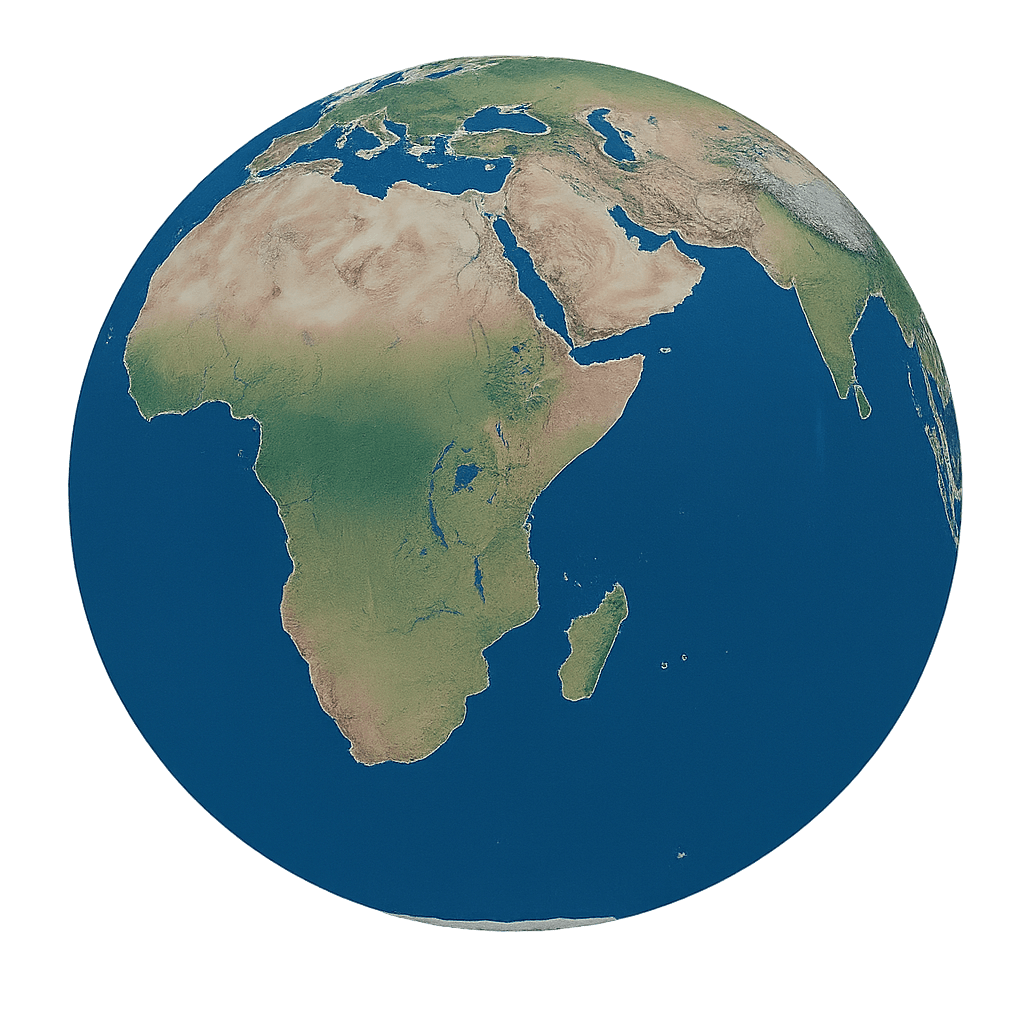
Euphrates Water Crisis: Falling Euphrates flows are reviving fears across Iraq, Syria and Turkey—mixing drought, pollution, dam impacts and water mismanagement with renewed talk of biblical end-times. Syrian Economy & Recovery: The IMF says Syria’s recovery is accelerating but uneven, with poverty still widespread; it also agreed technical assistance to help Damascus manage the transition. Trade & Commodities: A Syria-focused market update describes early, uneven recovery in trade and essential goods as supply chains rebuild, but financing limits expansion. Regional Diplomacy: Russia named Middle East veteran Dmitry Dogadkin as its new ambassador to Syria, signaling a push to recalibrate ties. North-East Syria Talks: Syrian President Ahmed al-Sharaa met SDF leader Mazloum Abdi on merging forces and returning displaced Kurds, with Kurdish sources hopeful. Environment & Food Security in Syria: A Jordan program backed by Islamic Relief funded livestock micro-grants for Syrian refugees and host communities, aiming to boost livelihoods. ISIS Threat Watch: The UN warned ISIS remains resilient and adapts in fragile conflict zones, including Syria’s evolving security landscape. Climate Context: Coverage also flags intensifying heat and extreme weather across regions, underscoring wider climate pressure.
AGP Executive Report
Your go-to archive of top headlines, summarized for quick and easy reading.
Note: AI summary from news headlines; neutral sources weighted more to help reduce bias in the result. Feedback is welcome. Please let us know if you have any comments or suggestions about the AGP Executive Report.
Syrian Economy & Jobs: The IMF says Syria’s recovery is accelerating, with growth projected to top 10% in 2026, driven by agriculture rebound, more hydrocarbon output, better electricity, and rising trade and services—though poverty is still widespread. IMF Support for Recovery: The IMF also agreed a technical assistance program for Damascus focused on fiscal reforms, revenue mobilization, and public debt management, aiming to support reintegration of returning refugees and rebuilding housing and infrastructure. Returnee Kids Face School Barriers: As more children return to Syria, reintegration into national schools is being slowed by a major Arabic language gap after years of foreign-language schooling abroad. Security & Social Strain: A rights-focused report warns that impunity and retaliatory killings are fueling sectarian division, with extrajudicial killings documented across governorates, especially Homs. Regional Talks: In Damascus, Syrian President Ahmed al-Sharaa met Kurdish SDF leader Mazloum Abdi to discuss merging forces and returning displaced Kurds, with sources describing optimism after recent meetings.
IMF Support for Syria’s Recovery: The IMF says it has agreed a technical assistance programme for war-ravaged Syria after a mission to Damascus, aiming to strengthen fiscal reforms, revenue collection and public debt management—while pointing to drought-hit agriculture and the need for reintegration of returning refugees and displaced people. Food Security & Livestock Resilience: Qatar Charity, with Attaa Humanitarian Relief Association, is running a year-long livestock value chain project in Idlib and Aleppo, using mobile veterinary clinics, fodder support and artificial insemination, plus market rehabilitation to boost dairy and livelihoods. Tourism Tech for a Greener Future: UAE-based Syrian entrepreneurs launched “My Syria,” a tourism and lifestyle super app with digital payments, aiming to expand verified providers across the country—an infrastructure step that could help revive local services and jobs. Trade Push: The UAE and Syria restructured the UAE-Syria Business Council to create a joint platform focused on sectors like food security, agriculture, logistics, energy and digital transformation. Climate Stress Alarm: Reports warn that Euphrates River water levels are dropping fast, raising fears of severe drought impacts across Turkey, Syria and Iraq.
Forest loss in Syria: Israeli forces reportedly continued bulldozing Al‑Shuhar forest in Al‑Quneitra countryside, threatening vegetation and biodiversity in a forested area of about 500 dunams near the separation line. Food security squeeze: The UN warns hunger is worsening in “hunger hotspots,” with acute food insecurity set to rise as development aid cuts and conflict plus climate shocks strain the World Food Programme and partners. Water stress fears: Reports say Euphrates River levels are plummeting fast, reviving fears tied to long-running drought narratives across Turkey, Syria, and Iraq. Livestock support in northwest Syria: Qatar Charity’s Livestock Value Chain Support project in Idlib and Aleppo says it has expanded veterinary services, fodder distribution, and is restoring the Saraqib livestock market while preparing a fodder production facility. Regional climate and fire pressure: A wider North Africa and Syria fire picture is emerging, with water scarcity and power outages adding to summer risks. UAE-Syria trade push: UAE and Syria announced a reshaped UAE‑Syria Business Council, with a roadmap aimed at boosting investment in sectors including food security and agriculture.

Forest loss in Syria’s south: Israeli forces are continuing bulldozing work in Al‑Shuhar forest in Al‑Quneitra, threatening vegetation and biodiversity in a key 500-dunam woodland near the separation line. Heat, drought and fires across the region: Reports describe raging wildfires in Algeria, Morocco, Tunisia and Syria, alongside worsening water stress and power outages that disrupt water supplies. Water and energy strain: A wider picture of scarce water and electricity is driving daily protests and emergency measures, including well closures tied to power shortages. Syria’s reconstruction financing: J.P. Morgan is reported to join QNB and Abu Dhabi Commercial Bank on a major Syria-linked loan package (around $7bn) for power and airport projects. Agrifood resilience focus: A regional forum highlights how cooperatives can help Near East and North Africa communities tackle land degradation, water scarcity and climate impacts—especially for women and young producers.
Heatwave Watch: A Middle East heat dome is pushing temperatures toward 50°C, with Syria, Lebanon and Jordan bracing for dangerous summer conditions. Shipping & Pollution Risk: Fresh threats and explosions reported around the Strait of Hormuz, including damage to an LNG carrier off Oman and repeated warnings to tankers—raising concerns for safety and potential environmental harm. Syrian Reconstruction Finance: J.P. Morgan joins Qatar National Bank and Abu Dhabi Commercial Bank on a reported ~$7bn loan package tied to Syria energy and airport projects, signaling a new, more serious funding phase. Tourism & Digital Services: Syria’s first integrated tourism “super app” (My Syria) launches with bookings, transport and cross-border digital payments, aiming to boost visitor arrivals. Community & Youth: In Qatar, the Syrian Community Council’s “Athar” summer camp for 55 boys (ages 12–16) wrapped up with education, sports and cultural activities. Agrifood Resilience: A regional forum highlights how cooperatives can help Near East and North Africa agrifood systems cope with land degradation, water scarcity and climate impacts. Nature Under Fire (Lebanon): Reports mourn environmental workers killed while protecting wildlife and beehives amid ongoing conflict.
Heatwave Watch: A Middle East heat dome is pushing temperatures toward 50°C, with Syria, Lebanon and Jordan also bracing as Iraq and parts of Saudi Arabia hit the worst of it. Digital Tourism & Payments: Syria launched “My Syria,” a new integrated tourism super app bundling travel, hospitality, transport and digital payments, aiming to scale verified providers nationwide. Travel Safety Advisory: The U.S. urged Americans across the Middle East to consider leaving or prepare to depart on short notice due to possible renewed escalation, warning of flight cancellations and airspace closures. Google Earth Disinformation Risk: Google rolled back an AI “create image” feature after researchers showed it could generate realistic fake satellite scenes, raising concerns for geospatial misinformation. UNESCO Heritage: UNESCO added 25 new World Heritage Sites, including Iran’s Alamut and related fortresses, highlighting engineering and water-management in rugged mountain landscapes. Local Environment Action: A native plant and pollinator demonstration garden is being redesigned at Penn State Extension in Butler County, shifting toward biodiversity-friendly landscaping.
Google Earth AI Rollback: Google pulled a “create image” feature after researchers showed it could generate photorealistic fake satellite scenes of nuclear sites, war damage, and refugee camps—prompting a rapid safety retreat. UNESCO Heritage: UNESCO added 25 new World Heritage Sites, including Iran’s Alamut fortress complex, underscoring how protection and tourism can hinge on global recognition. Syria Humanitarian Care: In Damascus, Catholic sisters continue running the “French Hospital,” balancing faith-based care with financial sustainability amid ongoing hardship. Syria Agriculture Investment: Qatar’s Baladna plans a $3.3bn Syrian farming project, a potential boost for local food systems if it translates into resilient, environmentally sound practices. Regional Security Diplomacy: Reporting says Damascus is working toward a security agreement with Israel, raising stakes for civilians and the wider region. Environment & Disinformation Risk: The Earth fakes story is a reminder that climate and conflict reporting now needs stronger safeguards against manipulated visuals.
Google Earth AI Rollback: Google pulled its new “create image” tool after researchers showed it could generate realistic fake satellite scenes of nuclear sites, war damage, and refugee camps—prompting a fast safety reversal and calls for stronger guardrails. UNESCO Heritage: UNESCO added 25 new World Heritage Sites, including Iran’s Alamut mountain fortress system, underscoring how cultural and natural protection can shape long-term resilience. Syria Environment & Development: Qatar’s Baladna plans to invest $3.3bn in a Syrian farming project, a major potential boost for food security and rural livelihoods. Water & Drought Stress: Reports highlight salinity and drought ravaging Iraq’s historic farmlands, a warning sign for water management across the region. Displacement Pressure: The end of Temporary Protected Status for Haitians and Syrians in the U.S. is triggering uncertainty and service disruptions—raising indirect risks for vulnerable communities tied to conflict and climate shocks.
Agriculture & Investment in Syria: Qatar’s Baladna is launching a $3.3bn farming and food-processing project across 2,400 sq km in Syria’s Euphrates River Basin (Raqqa and Deir Ezzor), aiming to produce crops and finished goods like textiles and cheese—an effort tied to Gulf-backed reconstruction and job creation. Water & Land Degradation: Iraq is facing accelerating desertification and land degradation, with official and UN-linked data warning that salinity and shrinking water are hitting even once-fertile areas, threatening farmland, rural livelihoods, and food security. Tech & Misinformation Risk: Google rolled back a new Google Earth AI “create image” tool after researchers warned it could enable realistic geospatial fakes and erode trust in satellite imagery. Policy Shock for Syrians (indirect climate-security link): Connecticut Gov. Ned Lamont directed $5m to support residents affected by the end of Temporary Protected Status, including Syrians—highlighting how displacement pressures can compound environmental and humanitarian stress.
Syria’s farming push: Qatar’s Baladna is investing $3.3bn in a large Syrian agriculture and food-processing project across the Euphrates basin (Raqqa and Deir Ezzor), aiming to produce crops and finished goods and employ thousands—another Gulf bet on rebuilding Syria’s economy. Tourism digitization: UAE-based entrepreneurs launched “My Syria,” Syria’s first integrated tourism and lifestyle super app with cross-border digital payments, as visitor numbers reportedly doubled in H1 2026. Industry spotlight: NasTex 2026 in Damascus drew 351 exhibitors from 25 countries and generated hundreds of deals, highlighting Syria’s textile revival with AI and advanced manufacturing themes. Climate stress nearby: Iraq faces accelerating desertification and land degradation, with salinity and shrinking water hitting farmland and livelihoods. Data integrity risk: Google Earth added an AI “create image” tool that researchers warn could enable realistic geospatial fakes and erode trust in satellite imagery.
Climate & Biodiversity: A new report warns that luxury and military-linked development plans can threaten marine biodiversity and protected areas, using the Aldabra atoll/Assumption Island case as a cautionary tale about turning strategic nature sites into private assets. Environment & Enforcement: Oregon’s DEQ issued 10 enforcement actions for June violations, including fines tied to air-permit breaches, stormwater pollution, wastewater diversion, and inaccurate greenhouse gas reporting—an example of how regulators are tightening environmental accountability. Syria & Digital Tourism: Syria’s tourism push gets a boost with the launch of “My Syria,” a super app aimed at improving visitor services and enabling secure cross-border digital payments, which could support more sustainable recovery if paired with stronger environmental safeguards. Displacement & Resilience: UN/UNICEF-linked coverage highlights how children and communities face extreme weather and conflict-driven shocks, with funding gaps threatening protection, education, and safe water—relevant for Syria’s long-term resilience planning.
UN & Climate-Displacement: The UN marks the Refugee Convention’s 75th year as record displacement and climate-conflict pressures strain protection systems, renewing calls to treat climate-driven displacement as a core humanitarian issue. Syrian Tourism & Payments: UAE-based Syrian entrepreneurs launched “My Syria,” Syria’s first integrated digital super app for tourism and lifestyle, adding cross-border payments (Apple Pay, Google Pay, Visa, Mastercard, AmEx) to help visitors and local businesses. Environment Enforcement: Oregon DEQ issued 10 enforcement actions for June violations, including a $24K air-quality fine for Carver Rock Products (portable rock crushers without an air permit) and other stormwater and wastewater penalties. Regional Security Spillover: Turkey said it is “closely” monitoring efforts to end Israel’s attacks and occupation, while also highlighting growing Lebanon–Syria dialogue—another reminder of how regional conflict can quickly reshape environmental and humanitarian conditions. Biodiversity vs. Development: A report warns how geopolitics and luxury projects can threaten protected ecosystems, from marine biodiversity sites to other strategic coastal areas.
Refugee rights under pressure: The UN Refugee Convention turns 75 as the U.S. ends Temporary Protected Status for Haitians and Syrians, leaving hundreds of thousands facing deportation risk and work authorization loss; Syrians’ TPS expiration is also renewing fears for religious minorities amid Syria’s fragile transition. Regional escalation with climate spillovers: U.S.-Saudi strikes on Iran-backed militias in Iraq and Iran missile attacks raise the odds of wider conflict, with Strait of Hormuz disruption and fires reported near energy assets. Syria’s economy and tourism push: Syria Travel Show 2026 (Sept 28–30, Damascus) aims to attract global tourism and hospitality investment as visitor arrivals surge in 2026. Local industry with environmental approvals: Baladna reports progress on its Adra industrial city manufacturing facility in Syria after completing key environmental approval milestones. Governance and compliance: Oregon’s DEQ issued 10 enforcement actions in June for pollution and emissions reporting failures—another reminder that environmental oversight keeps tightening.
Syria Security: Syrian security forces carried out coordinated raids in Aleppo city and Al-Bab, arresting suspected ISIS cells and seizing weapons and explosives, as the government pushes intelligence-led counterterrorism. Climate & Food Security: As the Ukraine-Russia war intensifies at sea, grain exports from both sides have dropped sharply, raising fears of famine in food-dependent regions. Water & Energy Corridors: Iraq and Türkiye held talks in Ankara on energy, water, and the “Strategic Development Road” project, including plans to keep a joint water committee running. Local Environment & Resilience: Scientists report parts of the Dead Sea are disappearing, pointing to why the “biblical waters” are shrinking and what it means for regional resilience. CSR & Sustainability: Kuwait Finance House highlighted its sustainability and environmental protection programs, including large-scale community support tied to long-term development. Humanitarian Tech in Syria: An AI listening tool is being tested with Syrian refugees in Tripoli to help record traumatic stories—raising hopes for better support and concerns about Western standardization of suffering.
Climate & Nature: Scientists warn the Dead Sea is retreating fast, exposing salt flats as human activity and climate pressures drain the basin—raising alarms for tourism and the region’s fragile environment. Marine Pollution Watch: Ukraine stepped up environmental monitoring after the sinking of the bulker Golden Leo near Odesa, checking for possible fuel leaks while ports keep operating. Syria Security & Spillover Risks: Syrian forces carried out counter-ISIS raids in Aleppo, arresting suspected militants and seizing explosives—another reminder that conflict-linked instability can disrupt local services and environmental protection. Water, Energy & Regional Pressure: Talks between Türkiye and Iraq focused on energy and water corridors, including the “Development Road,” with implications for cross-border infrastructure and long-term resource stress. Climate Finance for Conflict Zones: A COP31-focused piece argues climate action must reach people living through conflict and fragility, where adaptation funding is far too low.
Climate Finance for Conflict Zones: Ahead of COP31 in Antalya, Türkiye is urged to treat climate action as an “implementation COP” by reaching people in fragile, conflict-affected states where adaptation finance gaps are widening. Dead Sea Shrinkage: Scientists say the Dead Sea’s dramatic retreat is driven mainly by human activity and climate pressures, threatening tourism and raising urgent preservation concerns. Regional Diplomacy & Water/Energy: Jordan stepped up talks with regional and international partners, including Syria and UN chief António Guterres, to push de-escalation and protect stability. Iraq–Türkiye Energy Push: Iraq’s PM met Erdoğan to deepen cooperation on energy, water, security and infrastructure, with renewed focus on the Kirkuk–Ceyhan pipeline and export routes. Syria–South Korea Cooperation: Syria signed education and media cooperation agreements with South Korea in Damascus, including grants for school supplies and Arabic-dubbed TV broadcasts. Refugee Convention at 75: UN-backed reporting highlights the 75th anniversary of the Refugee Convention as displacement rises and protection systems face mounting political pressure. TPS Fallout for Haitians and Syrians: In the US, Temporary Protected Status for over 300,000 Haitians (and thousands of Syrians) expired, with ICE planning enforcement and communities warning of major social and economic impacts.
Road Safety in Syria & MENA: UNITAR and the FIA launched the Safe Mobility for All and for Life programme across the region, bringing together Syria and 17 other countries to push coordinated, evidence-based road safety work aimed at cutting traffic deaths by 2030. Sectarian Violence in Homs: A woman was killed and her 13-year-old son critically injured in a targeted motorcycle shooting in Wadi al-Dahab, raising fears of escalating sectarian attacks and continued impunity. Refugee Protection Under Strain: The 75th anniversary of the Refugee Convention comes as displacement hits record levels and funding and asylum protections face mounting pressure. Climate & Disaster Risk Watch: A report warns that hotter 2026 conditions and El Niño could intensify extreme fires, adding urgency to preparedness. Humanitarian Mobility Programs: The Safe Mobility launch also highlights how fragmented efforts across countries can undermine safety gains—an issue Syria’s recovery and stability depend on.
Organic food & climate-smart farming: A new documentary, “Fields of Tomorrow,” spotlights Sharjah’s push for organic agriculture—no chemicals, desert-grown wheat, organic dairy and goats, and modern greenhouses—plus sourcing rare breeds like an A2A2 cattle line traced to Denmark. Syria recovery & basic services: A UN report says Syria’s recovery hinges on rebuilding trust, reviving the economy, and urgently restoring education, healthcare, electricity and water to support sustainable development. Road safety as public health: UNITAR and the FIA launched a MENA “Safe Mobility for All and for Life” programme in Cairo, including Syria, aiming to cut road deaths with coordinated governance and training. Trade & reconstruction inputs: Türkiye’s exports to Syria jumped 26.4% in H1 2026 (to $1.28bn), led by milling products and cement—signals of rebuilding demand. Local tech investment: Syrian super app Labby raised $10mn from Gulf investors to expand ride-hailing, delivery, payments and e-commerce across Syria.
UN Recovery Focus: UN chief António Guterres wrapped up a landmark visit to Damascus, reaffirming UN support for Syria’s recovery, reconstruction, and sovereignty, and urging international help to rebuild trust, revive basic services, and enable safe, voluntary refugee returns. Sovereignty & Golan: He also reiterated that the occupied Golan Heights are Syrian territory under UN positions, calling for an end to violations and for a more proactive international role. Water, Power, Jobs: A separate UN report ties sustainable recovery to restoring livelihoods and rehabilitating education, healthcare, electricity, and water—warning that conflict damage, poverty, and displacement make long-term investment essential. Trade Signals: Turkish exports to Syria rose to $1.28bn in the first half of 2026 (+26.4%), with growth in milling products, cement, and energy equipment—highlighting how border reopening and better security can boost economic recovery. Local Governance Watch: In Qamishlo, PYD administration raised rents for offices in the tourist neighborhood, as tenants resisted—another reminder that recovery also depends on fair local decisions.
Sign up for:
Green News Syria
The daily local news briefing you can trust. Every day. Subscribe now.
Check Your Email!
We sent a one-time activation link to: .
Confirm it's you by clicking the email link.
If the email is not in your inbox, check spam or try again.
Welcome back!
is already signed up. Check your inbox for updates.